Industrial LCD Displays vs. Consumer LCD Displays: What’s the Real Difference?

Introduction: Not All TFT LCD Displays Are the Same
TFT LCD displays are widely used across consumer electronics, industrial equipment, and embedded systems. However, not all LCD panels are designed for industrial use.
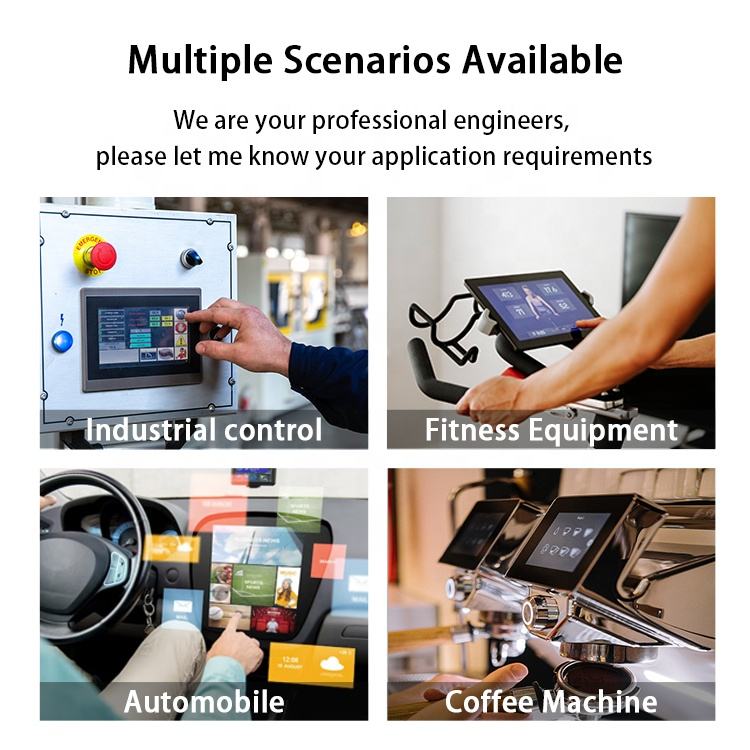
Compared with consumer LCD displays, industrial LCD displays are engineered for long-term reliability, stable supply, and harsh operating environments. Understanding these differences is critical when selecting a display for industrial control, medical devices, automation systems, or outdoor equipment.
1. Reliability and Product Lifetime
Consumer LCD displays are primarily used in smartphones, tablets, laptops, and other fast-moving consumer electronics. These products are highly cost-driven and typically follow short market cycles.
Typical characteristics of consumer LCDs:
-
Product lifecycle of 1–2 years
-
Frequent model changes and discontinuation
-
Limited long-term supply availability
This short lifecycle can cause serious problems for industrial equipment, including forced redesigns and costly re-certification.
Industrial LCD displays, by contrast, are specifically designed for long-term use and supply stability:
-
Product lifecycles of 5–10 years or longer
-
Guaranteed long-term availability for production and maintenance
-
Backward-compatible replacement solutions to avoid system redesign
-
Stable electrical and optical characteristics over time
These features make industrial LCDs ideal for equipment with long service lives.
2. Environmental Durability
Industrial environments are often far more demanding than consumer use scenarios. Displays must operate reliably under extreme conditions.
Industrial LCD displays are designed to withstand:
-
Wide operating temperature ranges, typically –30°C to +80°C
-
Continuous vibration and mechanical shock
-
Electromagnetic interference (EMI) from nearby equipment
-
Dust, humidity, and industrial contaminants
To support these conditions, industrial LCDs often feature:
-
Reinforced mechanical structures
-
Metal frames or bezels
-
Strengthened or bonded cover glass
These characteristics make industrial displays suitable for factory automation, transportation systems, and outdoor or semi-outdoor applications.
3. Readability and Viewing Performance
Unlike consumer devices used indoors, industrial displays often face challenging lighting and viewing conditions.
Industrial LCD displays typically offer:
-
Higher brightness, commonly 500–800 cd/m² or more
-
Higher contrast ratios for better readability at a distance
-
Wide viewing angles using IPS, MVA, or FFS technologies
-
Optional transflective LCD technology for environments with variable ambient light
These enhancements ensure that information remains clear and readable in control rooms, production floors, and outdoor installations.
4. Size, Resolution, and Touch Integration
Industrial LCD displays are commonly available in sizes ranging from 2 inches to 15 inches, covering most embedded and HMI requirements.
Key trends include:
-
Transition from traditional 4:3 formats to widescreen resolutions (WVGA, WSVGA, WXGA)
-
Ability to display more data, waveforms, and control information on a single screen
-
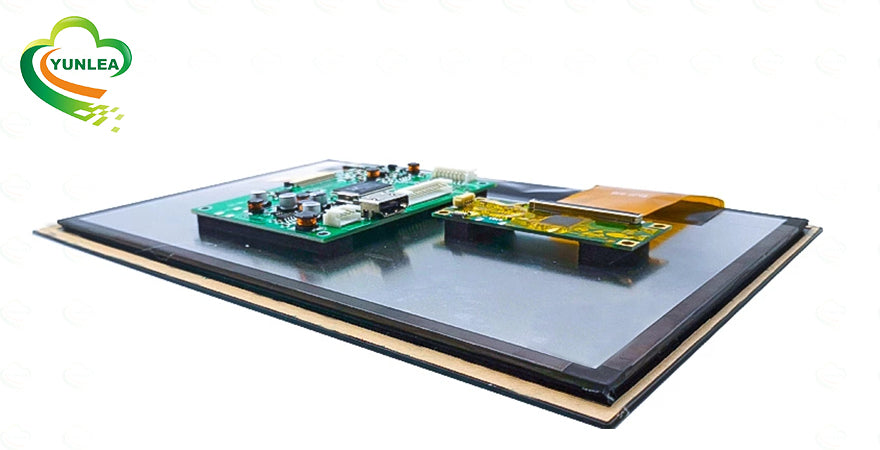
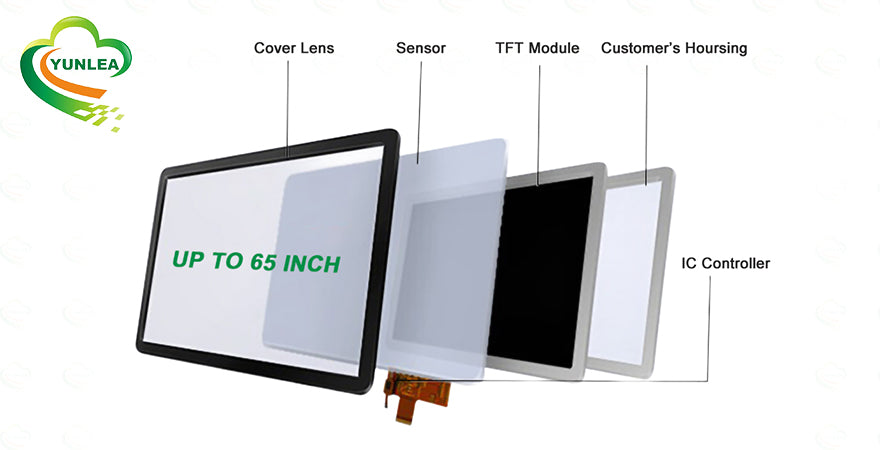
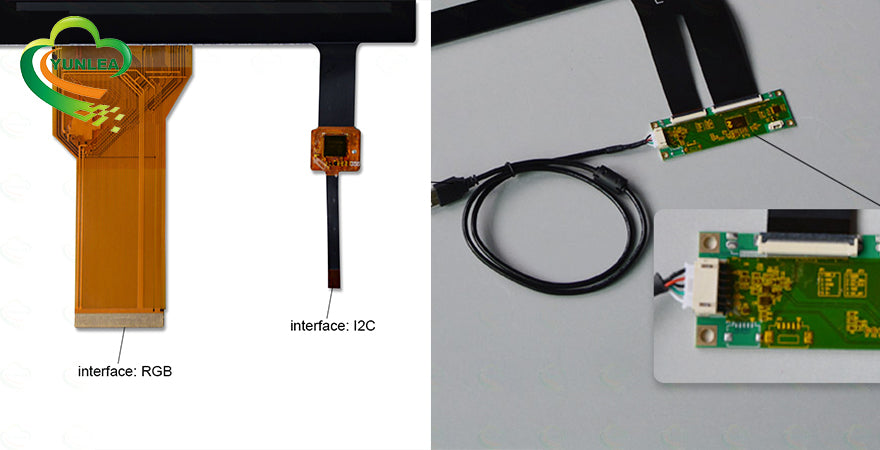
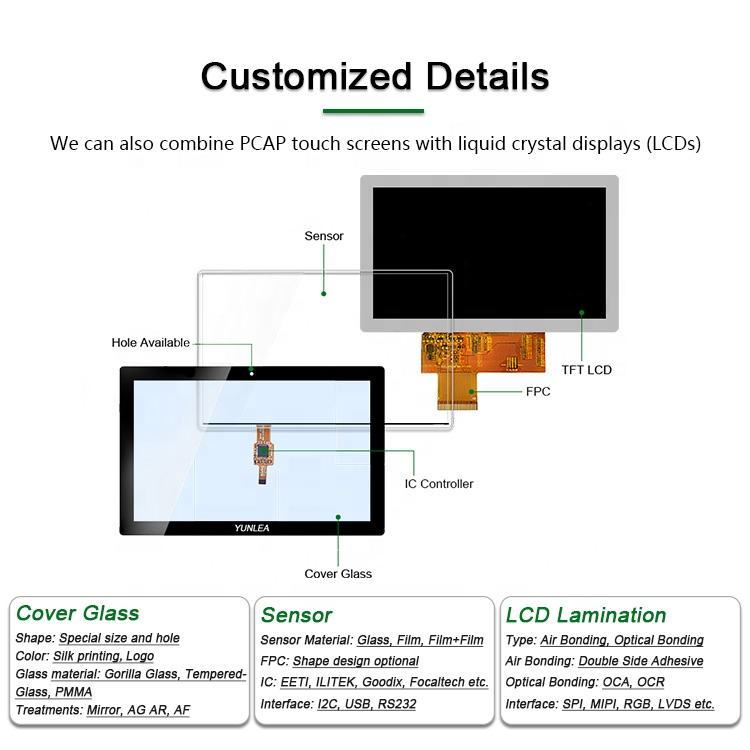
Seamless integration with touch screens, enabling modern software-based HMIs
By integrating touch functionality, industrial systems can:
-
Reduce the need for physical buttons and switches
-
Improve interface flexibility through software updates
-
Simplify mechanical design and reduce maintenance
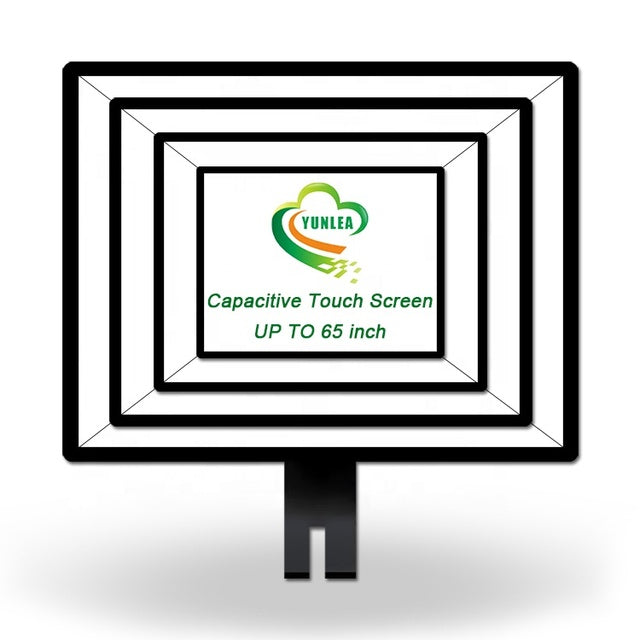
Industrial LCDs are frequently paired with resistive or capacitive touch screens, depending on application requirements.
Conclusion: Choosing the Right LCD Display for Industrial Applications
While consumer LCD displays may appear attractive due to lower cost, they are rarely suitable for long-term industrial use.
Industrial LCD displays offer:
-
Long product lifecycles and stable supply
-
Superior environmental durability
-
Enhanced readability and viewing performance
-
Flexible integration with industrial touch solutions
For any application requiring reliability, longevity, and consistent performance, industrial LCD displays are the correct choice.
If you have any questions or requirements regarding industrial LCD displays or touch screen integration, feel free to contact Yunlea at info@yunlea.com.